Top 10 Silage Harvest and Chopping Tips
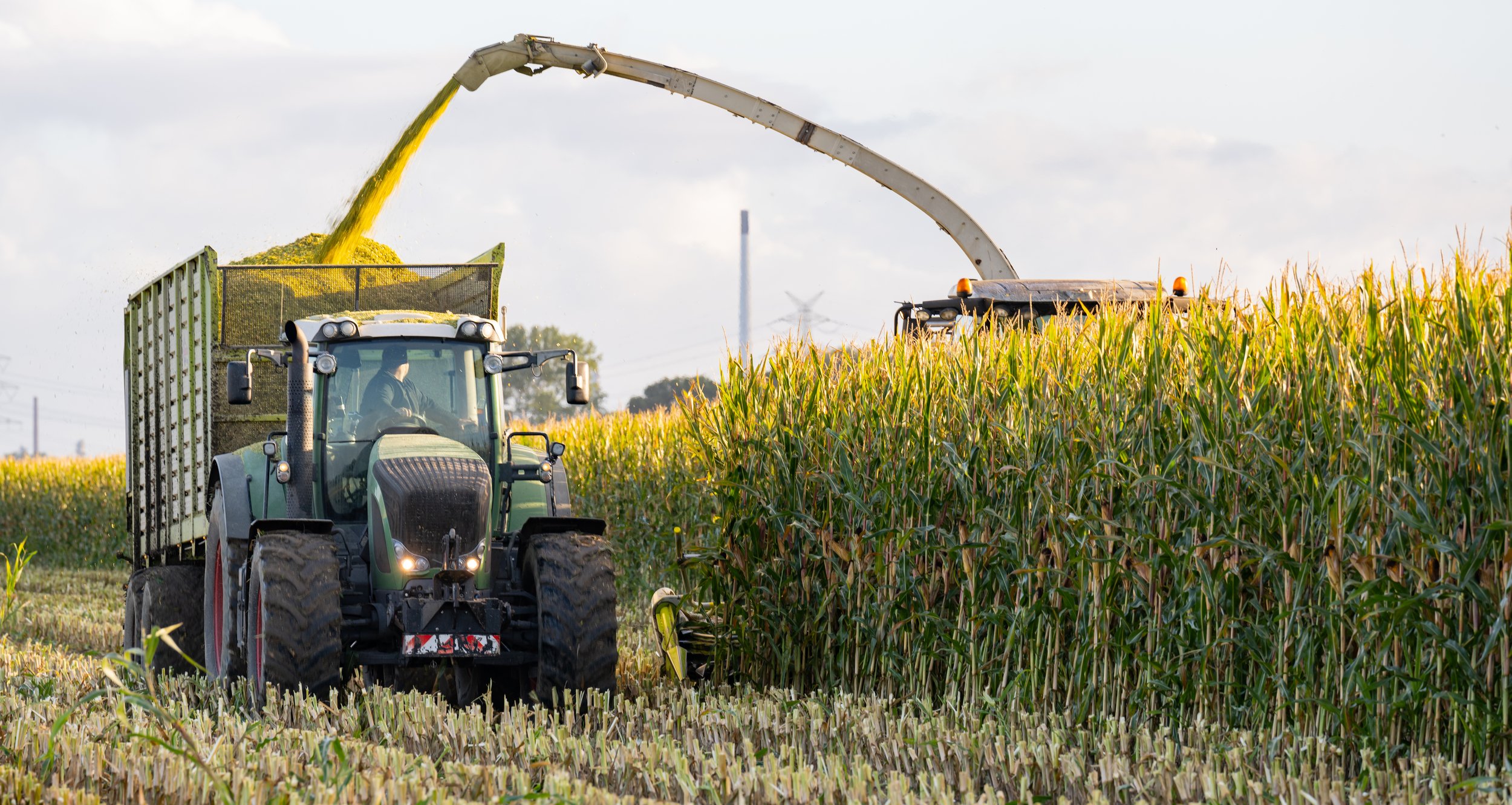
Silage harvest is one of the most important few days of the year for a dairy. A lot of investment into seed, crop inputs, and labor have gone into getting the crop ready for this stage of the season. The goal of harvest goes beyond getting corn out of the field. It is to collect consistent, highly digestible food that stores well. Today's blog post dives into our top 10 considerations for silage chopping and harvest. If you prefer a video or audio format, our recent Dairy Dive podcast episode also tackles this topic. Read on as we break down what you should consider as you begin silage harvest.
1: Safety Comes First
Strong yields and great nutrition can't make up for somebody getting hurt. Harvest involves trucks, choppers, tractors, packing equipment, and people working very long hours. One of the most important factors to a safe harvest is communication. Never assume what other workers are doing on the farm, or where they are located in relation to harvesting equipment. Be especially careful around the bunker and the packing tractor, as this is one of the highest risk jobs on the farm during silage harvest season. It's also incredibly important not to discount fatigue. This time of year, farmers are working extra hours and long days, and it's important not to let tiredness lead to accidents.
2: Watch Silage Moisture Early
Don't wait until you think the field is ready to begin checking moisture. Depending on the plant, moisture can drop incredibly quickly, especially with changing weather conditions. A few hot and windy days in a row can cause a rapid drop in moisture and quality. Walk a few different parts of the field and check moisture levels. Don't rely solely on appearance to determine when a plant is ready to chop.
3: Match Silage Moisture to Storage Type
The harvest window can differ depending on the storage system you are using. Consider what moisture level is comfortable to store in, whether you are using a bunker, pile, bag, or upright silo. Too much moisture can lead to seepage and undesirable fermentation. Not enough moisture makes packing and oxygen exclusion more difficult, potentially leading to molds.
4: Get Silage Chop Length Right
Don't automatically use the same settings every year. The length of the cut affects packing and fermentation, in turn influencing how the feed performs overall. Consider the crop moisture, perform test chopping, and sample your tests to ensure the product is the optimal length for processing.
5: Pay Attention to Kernel Processing
Kernel processing still matters even with highly digestible grain products. By breaking down grain, nutritional availability is improved, leading to higher quantities of milk production or weight gain in livestock. Check consistency as you process to ensure you're achieving the needed results for your operation.
6: Have the Storage Site Ready
We've already covered how moisture levels can change very quickly. Because of this unpredictability in harvest timing, it's important to be prepared to store feed ahead of time. Make sure that storage is clean and prepared for use. Have plastic sidewalls and weight ready to go. Plan truck routes and unloading areas. Don't let storage preparation be a last-minute consideration when you realize you need to chop the next morning.
7: Bunker Packing Is a Harvest Priority
As you harvest, bunker packing should not be an afterthought or a bottleneck to your operation. Getting oxygen out of forage is key for retaining nutritional value and encouraging beneficial fermentation. Take the time needed to make sure layers are thin and consistent in the bunker. Ensure you have enough packing capacity to keep up with the chopper. While the chopper may determine how quickly forage arrives, your packing capacity should determine how quickly you can responsibly harvest. Do not sacrifice the long-term quality of your feed for a faster harvesting process.
8: Keep Silage Quality Consistent Across Fields
Moisture, chop length, and kernel processing needs can change from field to field. Check the crop throughout the day. The more consistency you can create when forage enters storage, the more consistent feed will be when it comes out of storage. Maintain communication between the chopper operator, truck drivers, and bunker crew, and ensure you're achieving that consistency as your harvest goes into storage.
9: Cover and Seal Quickly
While you do not want to rush and compromise the consistency of your forage packing, it is important not to leave bunkers or piles exposed to the air for longer than necessary. Oxygen is the enemy to effective forage storage. Get plastic down quickly and seal your edges well. Be sure to use adequate and consistent weight across the entire surface once sealed. Pay particular attention to the edges and shoulders, where spoilage risk is greater.
10: Keep Feed Quality as the Goal
Throughout harvest, processing, and storage, feed quality and livestock health should be top of mind. While yield matters in ensuring you have enough to feed, ultimately the starch availability, fiber digestibility, fermentation, and shrink will determine how much usable, milk-producing feed you create. Extra tonnage of yield at a lower quality may not lead to better production down the line. Think about not just what you will feed now, but also what you will feed six to nine months from now.
Silage Harvest Success Starts Now
If you keep the three key ideas of timing, processing, and preservation in mind, you will have a successful forage harvest. Time your chop right to capture it at the optimal moisture levels. Process the harvest correctly so cows can utilize it with the most productivity. Pack and seal the harvest to preserve the quality of as much of what you grew as possible. Most important of all, make sure everyone gets home safely at the end of harvest.