Crop Residue Management: The First Step Toward Maximizing Seed Potential
Why Does Residue Management Matter After Harvest?
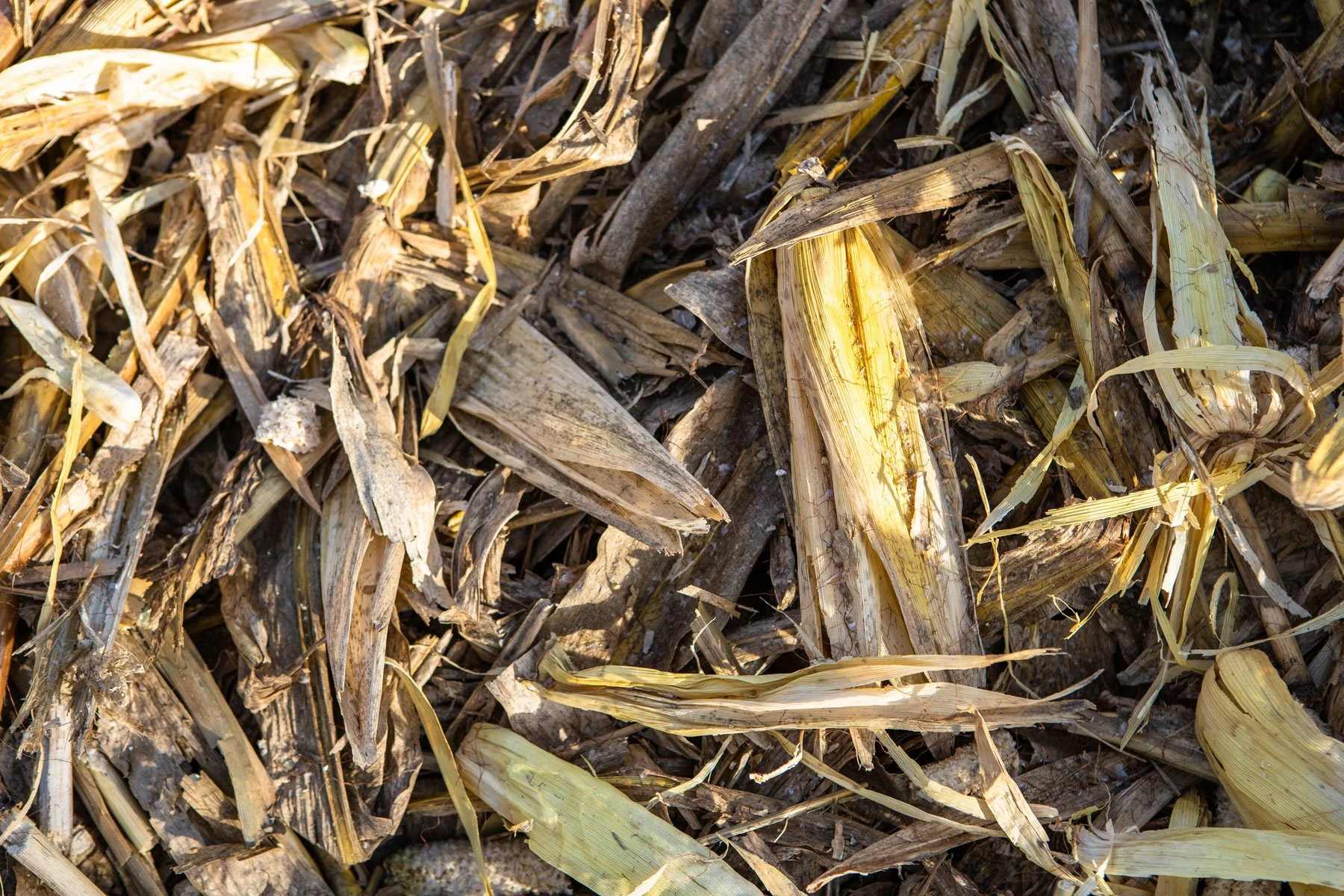
Corn and soybean residue left behind after harvest in the fall can be a problem or a benefit toward maximizing seed potential in the spring. This residue becomes part of the field environment for the next crop, and post-harvest residue management is a key step toward preparing for the most successful start to the next growing season. Read on to learn more about the benefits of biological residue management and setting your chosen hybrids and traits up for success.
How Unmanaged Residue Affects Your Seed
Today’s high-yielding corn and soybean crops leave behind more biomass than ever. Some residue supports soil moisture, weed suppression, and erosion control, but too much of it can work against the seed you plant next spring, and a rough start in early growth can carry through the season into lower yields.
Nutrition availability: Residue holds nutrients like nitrogen and phosphorus. Until it breaks down, those nutrients stay locked away from the seedling, which needs them early.
Seed-to-soil contact: Heavy residue at the surface can keep seed from settling firmly into the soil. Poor contact and uneven planting depth can lead to uneven emergence, which limits what your hybrid or variety can deliver.
Skips: Residue can cause hairpinning and planter issues that leave gaps in the stand. Every skip is a spot where seed potential never gets a chance to show up.
Pest and disease carryover: Leftover residue can harbor pests and diseases such as SDS, white mold, and tar spot into the next season. Breaking it down can reduce that pressure on young plants.
Factors that Affect Residue Breakdown
Moisture, Temperature and Microbial Activity: Soil microorganisms, including bacteria and fungi, are the drivers of crop residue breakdown and the digestion of post-harvest plant materials. These living organisms are affected by the moisture and temperature conditions of the soil.
When soil is too cold, microbial activity is significantly slowed or even stopped. This creates challenging breakdown conditions in growing areas with particularly cold fall, winter and early spring climates. Late harvest can also create temperature challenges in plant residue digestion. Excessive heat, such as from stubble or field burning, clears residue quickly but can kill the beneficial bacteria and fungi in the soil.
Soil moisture presents another potential challenge. When soil is too wet or waterlogged, there is little to no air space in the soil, and the soil environment becomes anaerobic. This limits the more effective aerobic decomposition and slows plant breakdown. The bacteria and fungi driving breakdown do need some moisture to thrive, so soils that are too dry also create challenges in effective residue management.
Physical Residue Management Practices: Physical residue management practices including tilling and burning can process crop residue quickly, but come with key drawbacks affecting nutrient retention, soil structure and operational costs.
Tilling mixes some nutrients into the soil, but accelerates nutritional loss, damaging aggregates containing minerals, organic matter, fungi and nutrients. Excessive tilling also comes with a risk of hardpan, affecting the root structure of future crops. The erosion risk with tilling is high, as well as the operational costs due to fuel use and equipment repair.
Burning quickly clears residue, but destroys soil microbiology and nutrition, leaves soil critically unprotected from erosion and carries high liability and smoke risks.
Supporting Residue Breakdown with NGest Dry
Biological residue management gives the natural decomposition process a boost. These products use microbes selected for their ability to break down tough plant material like lignin and cellulose, the components that make corn and soybean residue resistant to decay.
NGest Dry, available through Rob-See-Co, contains a consortium of Bacillus microbes in addition to Phanerochaete and Trichoderma fungi selected to accelerate natural decay in the field. It works through the same microbial activity that already drives residue breakdown, so it fits within the soil system. It provides growers with a way to handle excess residue without the nutrient loss, erosion risk, and fuel and repair costs of tillage, or the loss of beneficial soil life that comes with burning. Managing residue while preserving soil structure also supports microbial diversity and activity over the long term.
Maximizing Seed Potential with Residue Management
Every hybrid or variety you plant carries genetic potential, and the conditions at planting help decide how much of it shows up. A rough start in early growth can compound as the season goes on, ending in weaker plants and lower yields.
Managing residue after harvest provides optimal conditions before the planter enters the field. Breaking residue down in the fall with a biological product like NGest Dry supports your seed in three ways:
A more uniform seedbed. Seed can be placed at a consistent depth with fewer skips and less hairpinning, so the stand emerges evenly.
Nutrients available for early growth. Nitrogen and phosphorus tied up in residue can return to the soil in plant-available forms, putting them within reach of the young seedling.
Less pressure on young plants. Breaking down excess residue can reduce disease pressure from SDS, white mold, and tar spot, giving seedlings a cleaner start.
Together, these give the traits you selected the chance to perform. Used alongside other beneficial biologicals, biological residue management can further strengthen plants as they germinate and emerge.
From Harvest to the Next Growing Season
The decisions made after harvest shape the conditions your seed meets in the spring. Residue left unmanaged can lead to poor seed-to-soil contact, skips, locked-up nutrients, and carryover of pests and disease. Biological residue management turns that residue from a liability into a benefit, without the soil and nutrient losses that come with tillage or burning.
Timing matters. Apply in the fall after harvest to take advantage of biological decay over fall and winter, or in spring alongside early pre-emergence herbicides to manage residue from cover crops and prepare the seedbed. Follow the label instructions for NGest Dry to apply at the correct rate.
Seed performance starts well before planting day. Get in touch with your Rob-See-Co representative to learn how NGest Dry can fit into your plan for protecting your seed investment and maximizing its potential.
FAQs
When should I apply a biological residue product, in fall or spring?
Fall after harvest works well because it lets biological decay run through fall and winter. Spring is an option when applied with early pre-emergence herbicides, which helps manage cover crop residue and prepare the seedbed. Always follow the label for the correct rate.
How does crop residue affect planter performance and seed placement?
Heavy residue can cause hairpinning, skips, and uneven planting depth. It can also keep seed from making firm contact with the soil, which can lead to uneven emergence.
What is NGest Dry?
NGest Dry is a biological residue management product containing a consortium of Bacillus microbes in addition to Phanerochaete and Trichoderma fungi selected to speed up natural decay in the field. It is available through Rob-See-Co.
How does biological residue management compare with tillage or burning?
Tillage can accelerate nutrient loss, damage soil aggregates, and raise the risks of erosion and hardpan, along with fuel and repair costs. Burning clears residue fast but destroys soil microbiology and leaves soil unprotected. Biological management speeds breakdown while leaving soil structure and soil life intact.
Can leftover residue carry disease into the next season?
Yes. Residue can harbor diseases such as SDS, white mold, and tar spot. Breaking down excess residue can reduce that pressure on young plants.
What affects how quickly crop residue breaks down?
Soil temperature, moisture, and microbial activity are the main factors. Cold soil slows or stops microbial activity, waterlogged soil limits the aerobic decomposition that drives breakdown, and very dry soil slows the microbes as well.