Planting Corn in Drought: What Growers in the High Plains and Southern Plains Need to Know in 2026
Growers in the High Plains and Southern Plains already know what the maps are showing. Drought is here, and seasonal outlook forecasts predict dry conditions will continue through corn planting. The decisions corn growers make before a single seed goes in the ground this spring may be the most important ones all season.
What 2026 Drought Maps Tell Us About Moisture Conditions this Season
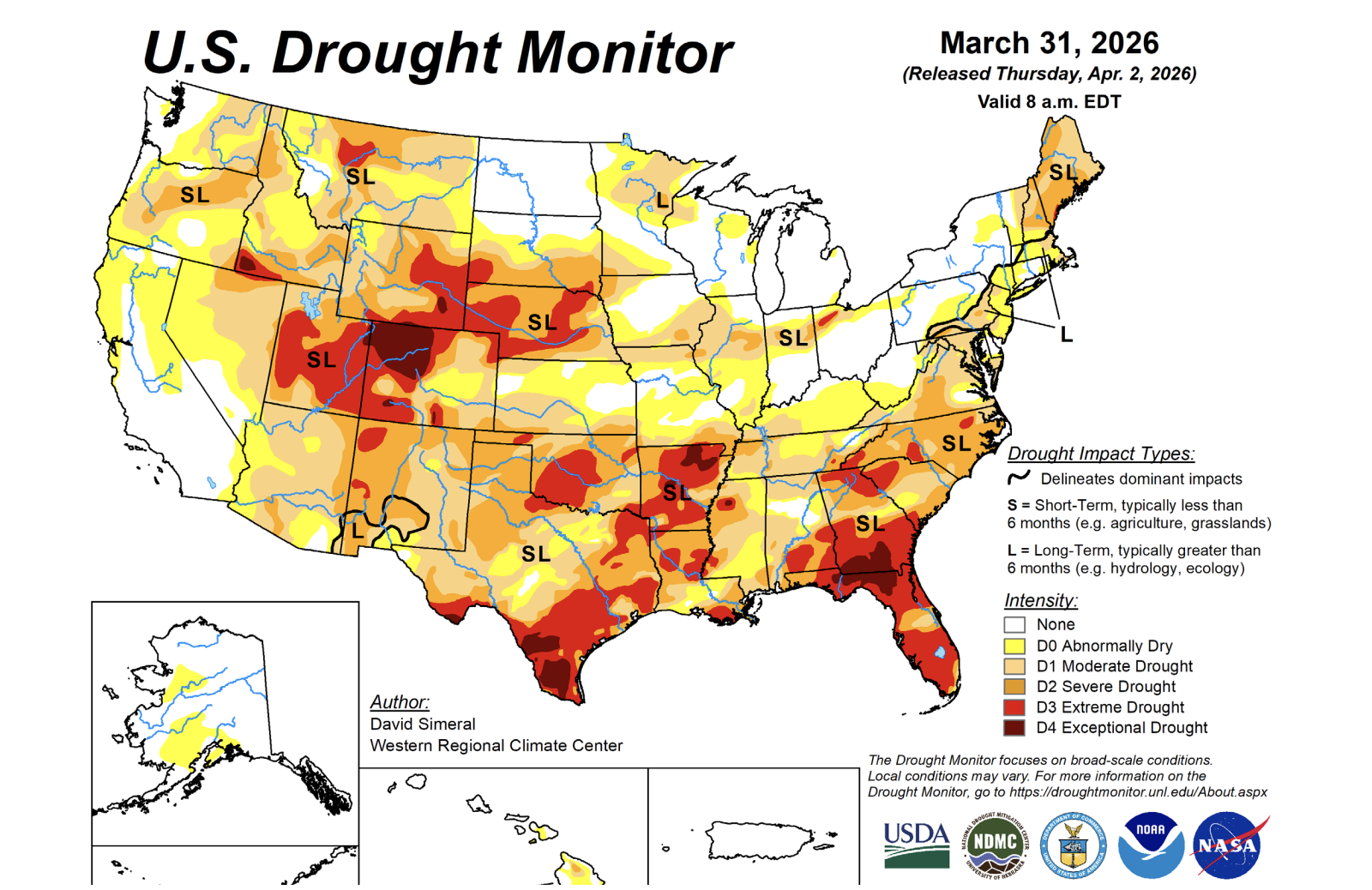
Courtesy of National Drought Mitigation Center
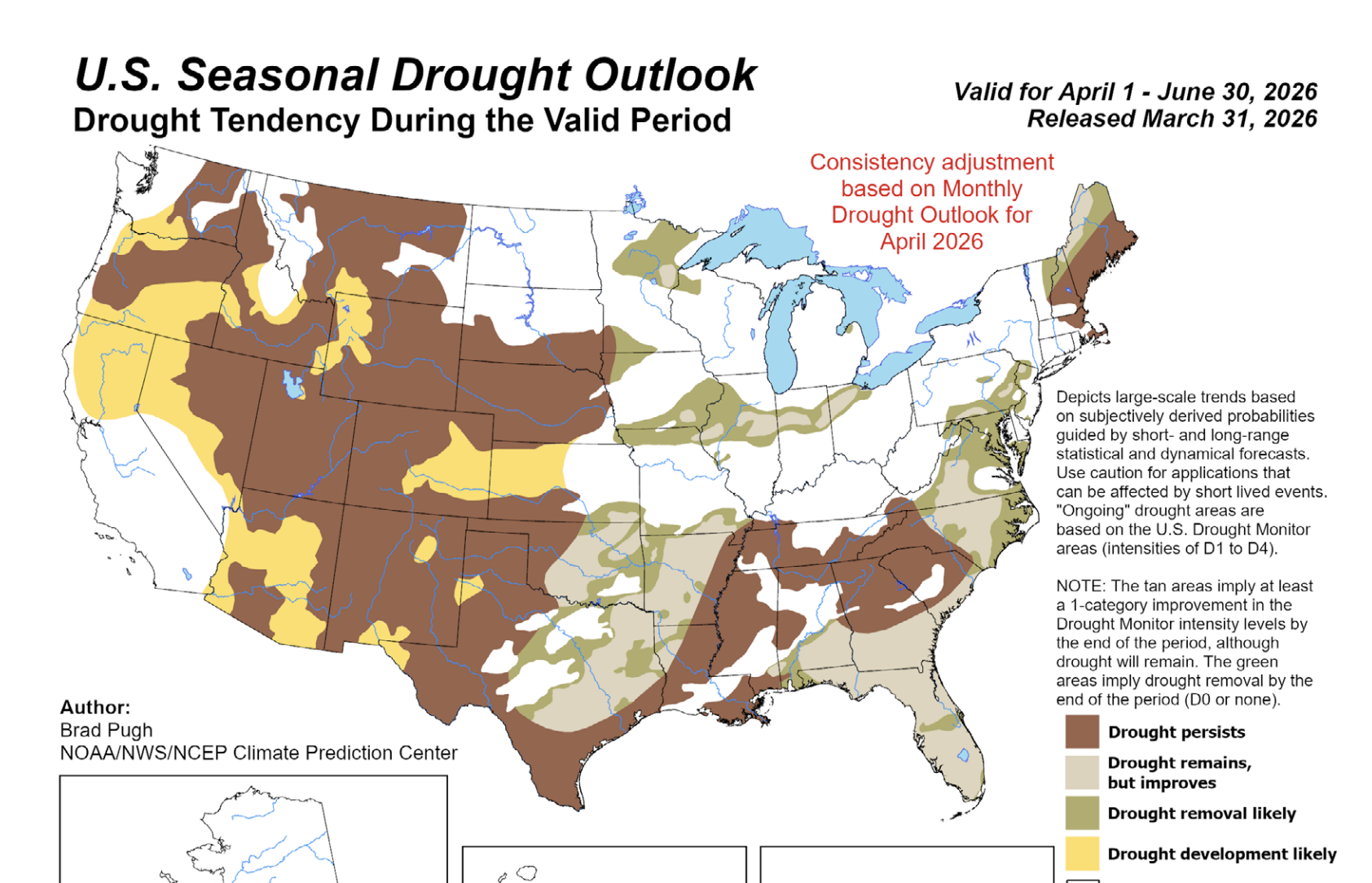
Courtesy of National Drought Mitigation Center
The longer forecasting Seasonal Drought Outlook, valid April 1 through June 30, predicts drought conditions persisting across much of the western corn belt, including parts of Nebraska, Kansas, Colorado and Texas. This poses significant challenges to growers, with the potential to stress plants through the vegetative phase including critical high-growth phases of rapid nutrient uptake.
Challenges and Effects of Drought Conditions on Corn
Soil Moisture and Corn Seedling Germination
From the moment seed hits the soil, dry conditions create challenges with reverberating effects through the growing season. Dry soils can lead to inconsistent planting depths, resulting in uneven emergence in spring and overall yield losses at harvest. Lack of access to moisture also overall reduces the success rate of seed germination.
Drier soils also show reduced microbial activity, slowing down nitrogen cycling and overall nutrient availability during critical early windows of seedling corn’s germination and growth. This early loss of nutrition leads to stunting, reduced plant metabolism and overall yield reduction.
Drought Effects on Corn Root Development
Corn seeds planted into dry soil conditions develop shallower root systems early in the plant life cycle. These shallower roots exacerbate drought-related challenges to corn, limiting plant access to deeper held moisture and nutrients in the soil. Lack of access to nutrients can create an early yield ceiling before growers can visually detect problems, as this stress prior to V8 will reduce number of kernel rows and kernels per ear.
Weaker corn roots also increase vulnerability to other threats throughout the season. Shallower root systems are more susceptible to lodging from both strong winds and sudden large increases in soil moisture due to severe storm conditions.
Corn Plant Stress Responses Triggered by Drought Conditions
Reduced water uptake in young corn plants slows early vegetative growth, setting back the plant’s ability to make use of sunlight during critical early development stages. In warmer growing regions or during warmer-than-usual spring days, heat stress compounds drought stress. Drier soils heat up more quickly, increasing risks of both soil surface temperature extremes and damage to seedling corn. This early season damage can lead to reduced stress resistance and yield losses further into the growing season.
Management via Planter Box Treatments
Hybrid selection is just the first step in defending your fields against CRW pressure and damage. Planter box treatments add a layer of protection around each individual seed placed in the furrow, further boosting resistance against CRW damage while providing additional valuable nutrition to start the season strong.
Streamline Ag’s HomeStead with TS201TM combines the nutritional benefits of HomeStead planter box treatments with the immune-boosting power of TS201. TS201 is a first-of-its-kind, EPA registered bioinsecticide, using PPFM (Pink-Pigmented Facultative Methlotroph) technology to activate induced systemic resistance (ISR) in plants. Colonizing from the roots, PPFM causes a whole-plant response designed to prime the plant to launch a fast, strong response against CRW, Armyworm, Nematodes, Wireworms and Thrips.
All these pest-suppressing benefits are in addition to the benefits found in HomeStead’s base pail, including a nutrient package which promotes early root health and uniform emergence. With robust root development, plants have better access to nutrients and water, improving overall standability and resilience to stress.
Corn Hybrid Selection is Key to Drought Resistance
Careful selection and prioritization of hybrids with strong drought tolerance ratings, specifically those tested and proven in dryland and water-limited environments, is key to tackling early season drought stressors.
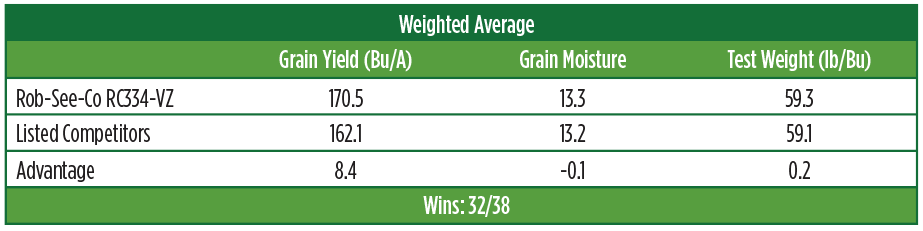
For several years, Rob-See-Co has conducted on-farm research designed specifically to help growers in dryland environments choose corn hybrids that provide consistency and yield potential. While many companies have limited or no dryland testing in the High and Southern Plains, Rob-See-Co places an emphasis on placing plots in these environments.
As an example of one product we’ve tested, RC6334-VZ beat all check hybrids (Rob-See-Co and competitor checks) by 8.4 bushels in Kansas dryland (dryland + limited irrigation) with an 84% win rate:
Other Pre-Plant Decisions to Consider
Planting Timing
It can be challenging for growers to weigh the risks of planting into too-dry soil vs. waiting for rain that may push past optimal planting windows. Corn seed must absorb 30-35% of its weight in moisture to germinate, which typically occurs within approximately 48 hours when adequate moisture is available. Lacking that moisture, germination could fail, be delayed or emerge unevenly. When soil conditions are dry, choosing a seeding depth that ensures uniform soil moisture availability can help to address emergence issues.
When rain is in the forecast, the type of rain expected also dictates the best planting timing for growers. Light rain could indicate favorable planting conditions. However, heavier forecasted rainfall could be a sign to wait, to avoid the harmful effects soil crusting can have on corn germination.
Soil Health and Water Retention
Pre-plant tillage decisions matter even more when planting corn during years with high drought pressure. Excessive tillage can destroy soil structure, making nutrient availability to already stressed seedling corn even more challenging.
Fields with higher organic matter retain more plant-available water. This management strategy requires longer-term planning but is worth considering especially in areas that see persistent drought challenges year after year. Leaving cover crop residue in fields and reducing tillage can meaningfully reduce the amount of evaporation of existing moisture in soil during the pre-plant period.
Input Planning
As we’ve discussed, drought stress can significantly reduce a plant’s ability to absorb and utilize nutrients efficiently. In addition to smart selection of drought-resistant corn hybrids, including a system of carefully selected crop inputs can further prepare corn crops to manage season-long stressors.
Instead of tilling fields for residue management, which poses risks for soil health damage, using biological crop inputs accelerates residue breakdown while improving overall nutrient availability in the soil. Streamline Ag’s NGest Dry uses a unique microbial and fungi package to speed up residue breakdown and nutrient release even under stressful conditions.
Growers can Still Achieve Yields in Years of Drought
Long-term drought conditions create challenges for growers from planting through to harvest. However, it is still possible to have a successful growing season with careful planning and management in place. To learn more about planting corn in dryland conditions, reach out to your local Rob-See-Co seed distributor for guidance on hybrid selection, planting populations and beneficial crop input systems.