Corn Rootworm in 2026
Corn rootworm (CRW) continues to be a top concern for growers heading into 2026. Feeding and lodging caused by CRW can lead to significant economic losses, impacting both yield and ease of harvest. Managing this persistent pest requires an integrated approach that combines products, hybrid traits, and stewardship practices to protect root systems, optimize plant health, and support long-term control.
The Threat of CRW and Current Pressure Forecasts
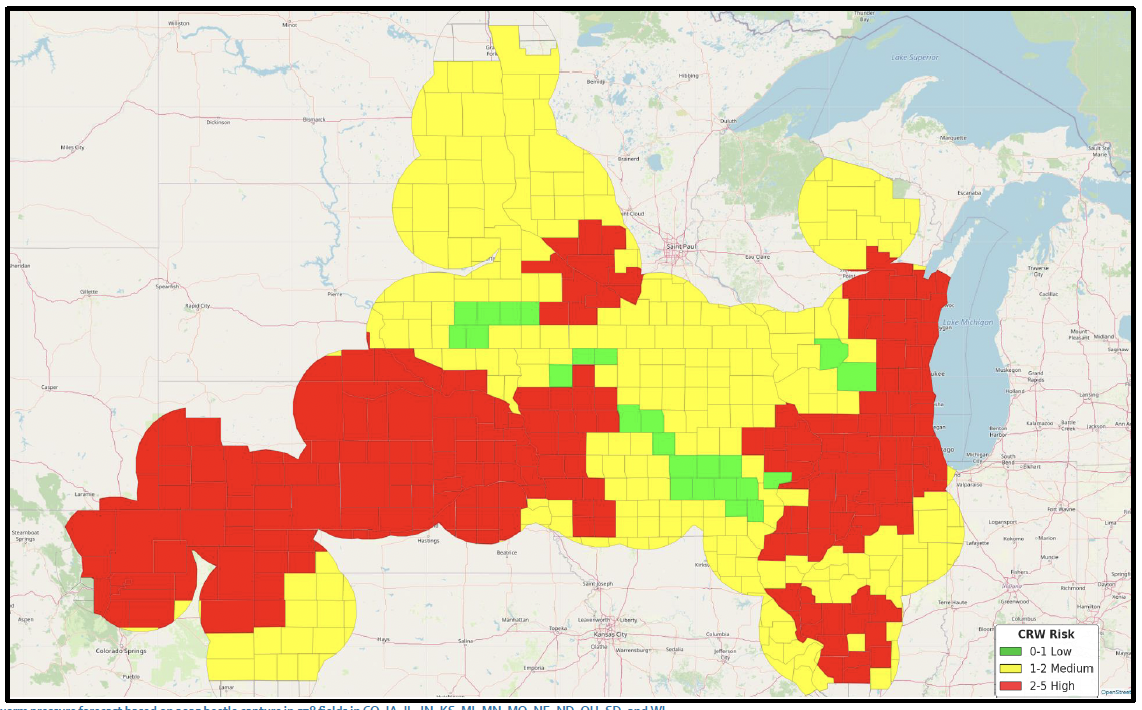
Courtesy of Bayer
Corn rootworm remains one of the most costly and persistent insect threats in U.S. corn production. Each year, CRW causes an estimated one billion dollars in yield losses and control expenses as larvae feed on developing root systems, reducing the plant’s ability to take up water and nutrients. The cycle begins when adult beetles lay eggs in midsummer; those eggs overwinter in the soil and hatch the following season. As larvae begin feeding on corn roots, pruning weakens the plant’s foundation, increases lodging risk, and limits grain fill—all of which lead to measurable yield loss at harvest.
Recent trends show northern and western corn rootworm populations continuing to hold strong in many parts of the Corn Belt. According to Bayer’s 2026 Corn Rootworm Pressure Forecast, most of the Midwest is expected to face medium to high levels of CRW risk, with particularly intense pressure projected across Nebraska, northeast Colorado, and parts of Illinois and Wisconsin. If weather conditions remain favorable for overwintering and larval survival, pressure could continue to build in future seasons.
Because rootworm populations differ by geography, rotation practices, soil type, and even microclimate, planning for 2026 requires a localized approach. Regional forecasts provide valuable insight, but each field carries its own history and pattern of pressure. Working closely with trusted agronomists and paying attention to past performance on your acres will help you select the right traits, inputs, and stewardship practices to stay ahead of CRW challenges.
Trait-Based Management Options
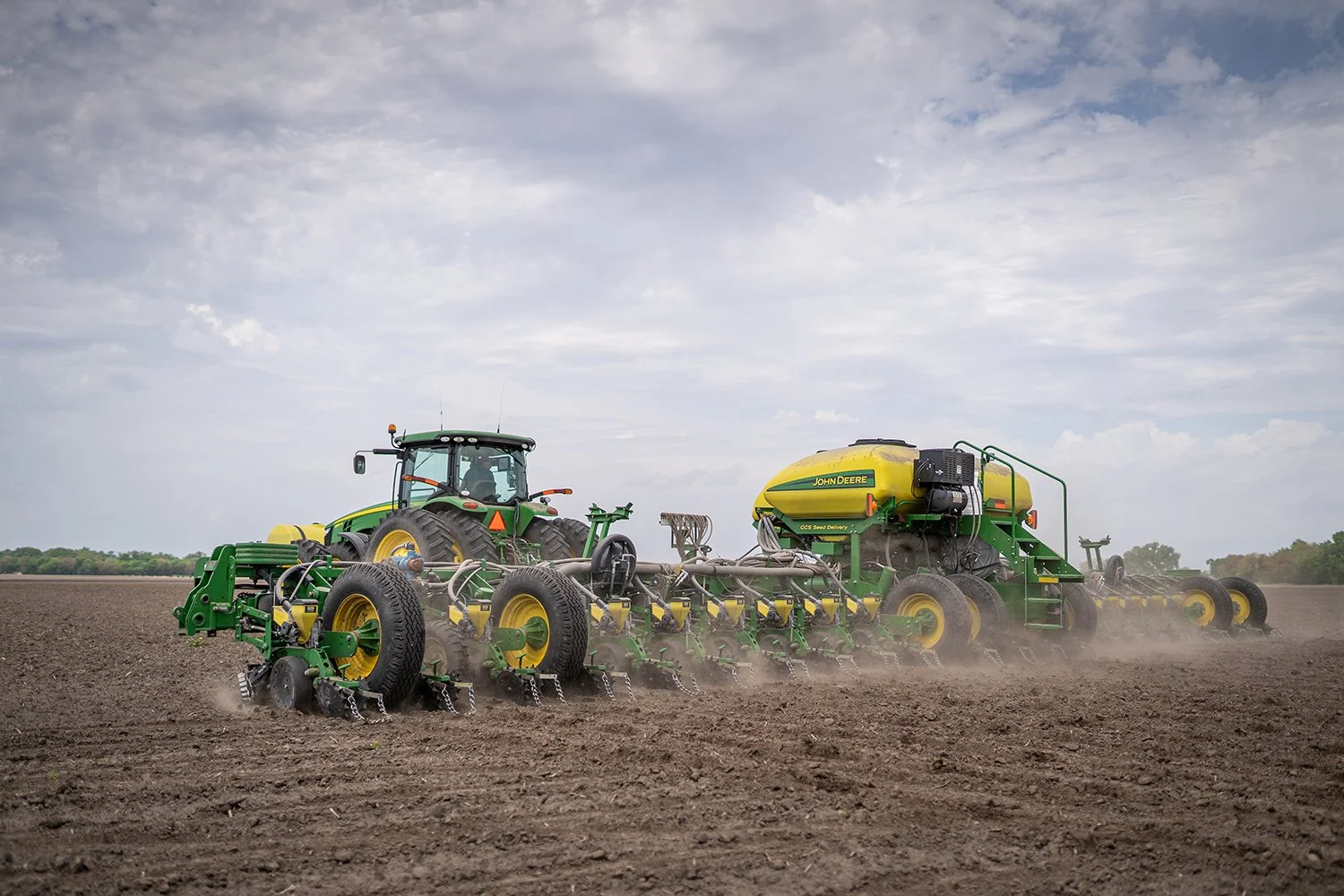
One of the first lines of defense growers have against corn rootworm is selecting hybrids with traits and genetics designed to fight back against CRW larvae. These technologies help protect root systems during the most vulnerable stages, supporting stronger crop performance throughout the season.
Duracade
Agrisure Duracade provides protection through dual modes of action that target CRW larvae as soon as they begin feeding on the root system. By disrupting feeding early, Duracade helps protect root integrity, improving early season standability and supporting better nutrient and water uptake as the crop develops. Its unique modes of action also help diversify the CRW control landscape, making Duracade a useful option for growers looking to rotate technologies and reduce cycles of resistance selection. Duracade is a strong fit for medium to high pressure fields where CRW remains a consistent yield-limiting factor.
SmartStax PRO
SmartStax PRO combines RNAi technology with Bt modes of action to protect roots from CRW feeding. The RNAi component introduces a gene-silencing mechanism designed to disrupt the digestive processes of CRW larvae, reducing feeding and supporting healthier roots. Layering RNAi with Bt proteins also helps slow the development of resistance compared with single-mode technologies. SmartStax PRO provides clear advantages in heavy or persistent CRW environments, including operations where corn-on-corn is part of the crop plan.
Choosing the Right Trait Package
Every farm, every crop and every acre is different. That’s why it’s essential to work with dealers, distributors and agronomists who understand your conditions and can guide you toward the right trait and hybrid selections. Each field has its own set of challenges, and choosing the hybrid positioned for the strongest outcome starts with knowing what your acres truly need.
Management via Planter Box Treatments
Hybrid selection is just the first step in defending your fields against CRW pressure and damage. Planter box treatments add a layer of protection around each individual seed placed in the furrow, further boosting resistance against CRW damage while providing additional valuable nutrition to start the season strong.
Streamline Ag’s HomeStead with TS201TM combines the nutritional benefits of HomeStead planter box treatments with the immune-boosting power of TS201. TS201 is a first-of-its-kind, EPA registered bioinsecticide, using PPFM (Pink-Pigmented Facultative Methlotroph) technology to activate induced systemic resistance (ISR) in plants. Colonizing from the roots, PPFM causes a whole-plant response designed to prime the plant to launch a fast, strong response against CRW, Armyworm, Nematodes, Wireworms and Thrips.
All these pest-suppressing benefits are in addition to the benefits found in HomeStead’s base pail, including a nutrient package which promotes early root health and uniform emergence. With robust root development, plants have better access to nutrients and water, improving overall standability and resilience to stress.
Stewardship and Cultural Practices
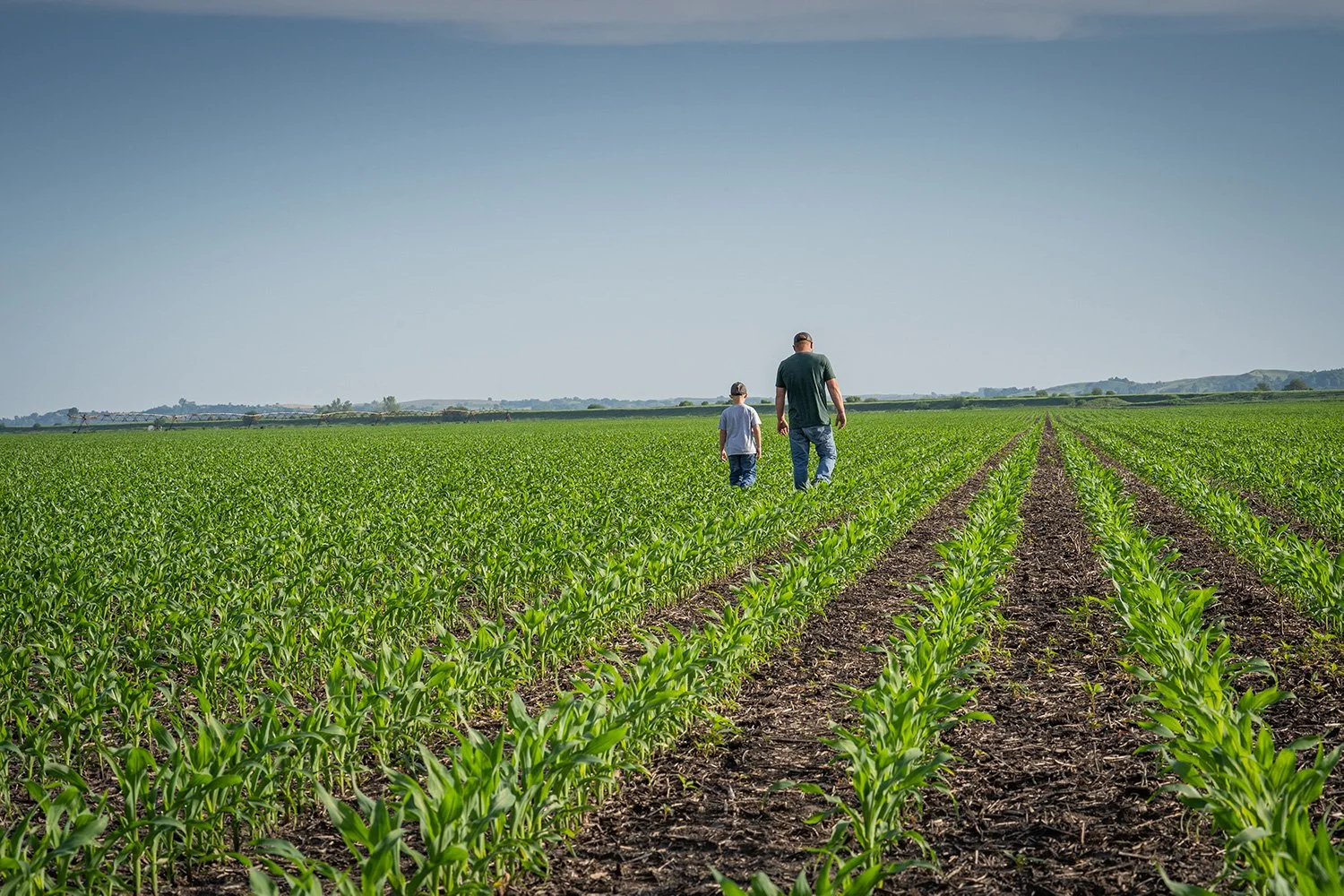
Successful corn rootworm management goes beyond traits and inputs. Stewardship and cultural practices help growers predict and reduce pest pressure, further boosting control efficacy when used in tandem with trait and input control methods in higher-pressure fields.
Crop Rotation
Crop rotation remains one of the most effective cultural practice for managing CRW. By interrupting the rootworm life cycle from larvae to adult, larval populations can be dramatically reduced to cut down on root feeding in the following season. Rotation also provides additional defense against development of trait and insecticide resistance. However, crop rotation comes with limitations. Some CRW populations can survive through extended diapause (dormant states of eggs). In these situations, selection of insect resistance traits and additional seed treatments may be necessary to control against CRW infestation and damage.
Scouting and Monitoring
Scouting is a key part of an integrated CRW strategy, because it provides growers with timely insights into pressure and potential damage. Monitoring both larval and adult beetle populations, growers can assess the level of pressure and determine what future management practices are needed. Growers should pay attention to individual fields, as well as tracking local and regional trends to stay aware of potential future pressure.
CRW isn’t Going Away. Neither should your Yields.
Corn Rootworm Pressure isn’t going away any time soon, and effective management requires a diversified, proactive strategy from growers. Fortunately, technology and practices are available to help take CRW from catastrophically costly to an effectively managed concern. With the combined help of smartly selected traits, proven planter box treatments and trusted stewardship practices, growers can fight back against this pest.
Concerned about CRW and how it may affect your yields, profits and ROI in 2026? Be sure to reach out to your local Rob-See-Co dealer or distributor today to start building your strategy against CRW for the new year.