Ear-Feeding Pests in Corn
Ear feeding pests may start out small, but unfortunately their impact on corn production across the United States is anything but. Grain quality loss caused by ear-feeding insects like Corn Earworm, Western Bean Cutworm and European Corn borer can lead to massive losses in bushels and grain quality for growers.
Fortunately, advances in traited hybrids provide growers with powerful tools to get ahead of insect damage and yield loss. Read on to learn more about ear-feeding pests and how these traits fight back to protect crops.
The Threat Posed by Ear-Feeding Pests
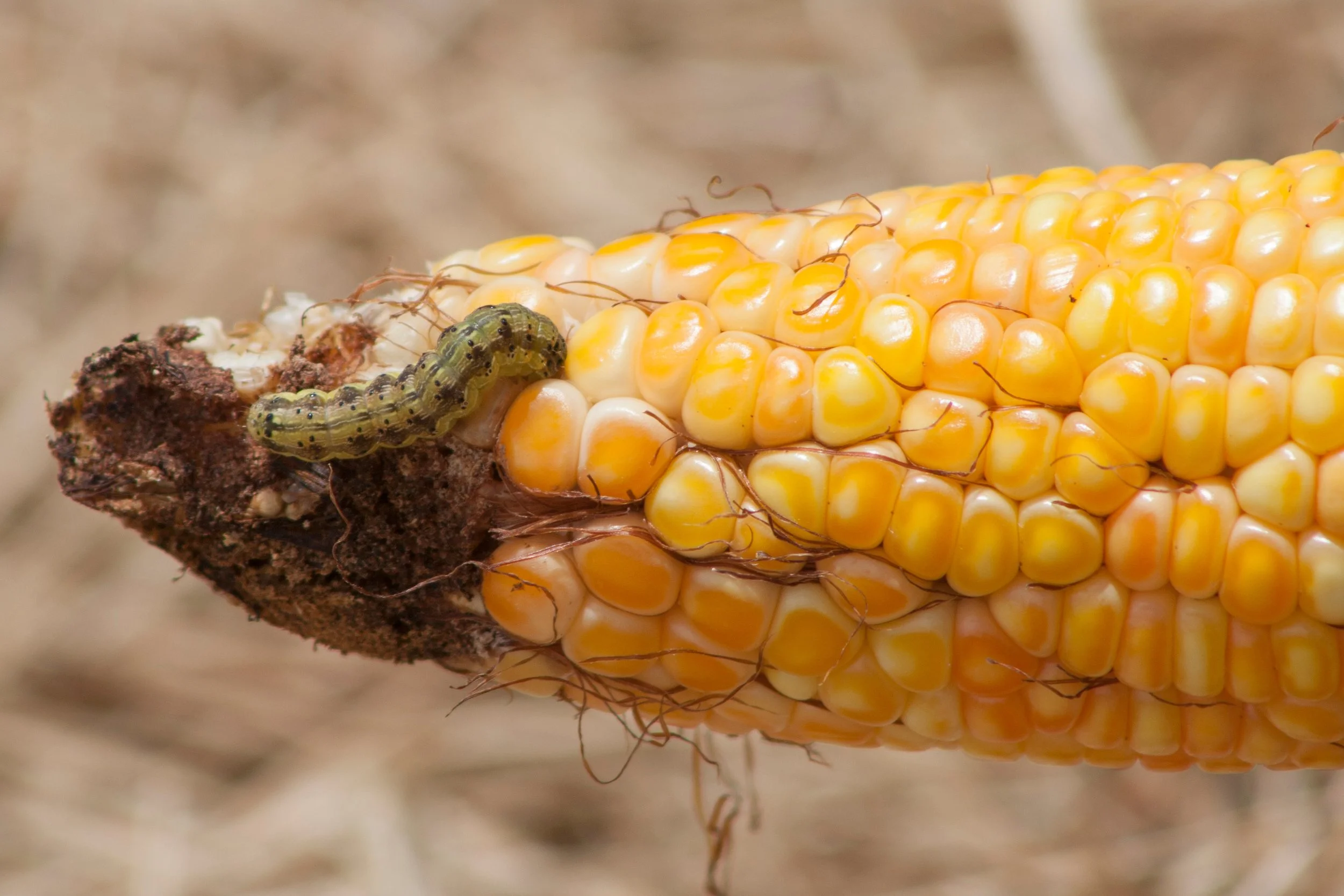
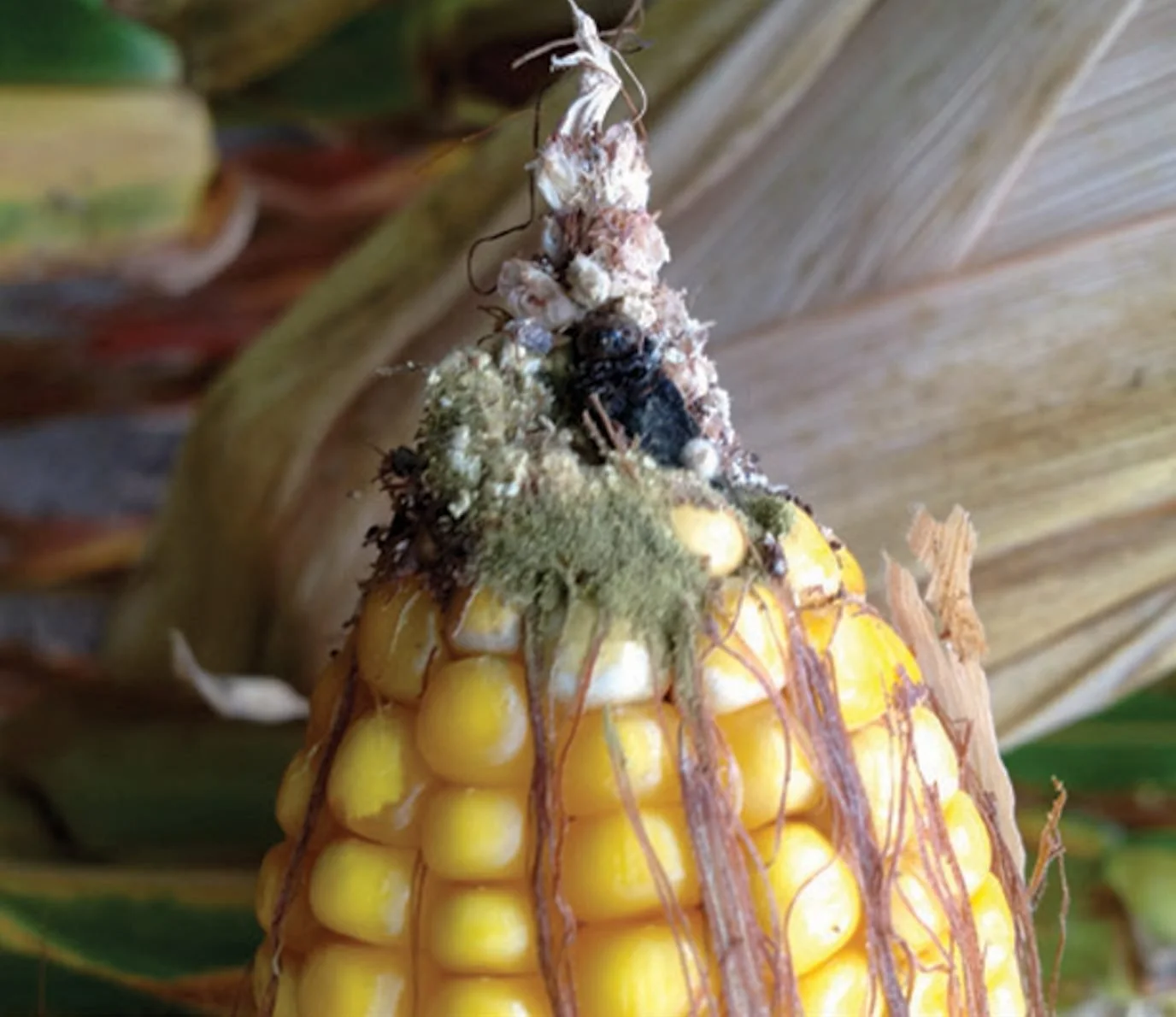
The damage caused by ear-feeding pests goes far beyond lost kernel weight. When pests damage corn ears, they create ideal conditions for mold growth and mycotoxin contamination. Mycotoxins pose serious health threats to humans and livestock, and contaminated corn may be rejected for sale, leading to lost yields and profits.
Many pests across the U.S. pose a threat to corn health every year, but these are the three most prominent pests causing damage to ears of corn:
Corn Earworm
Each year, Corn Earworm moths migrate from the south to corn-growing regions in the north.
Moths lay their eggs on corn silks, and when larva hatch they move downwards to feed on developing ear tips of corn.
Larvae are identified by their initial translucent bodies and black heads. As they mature, their bodies turn yellow, brown or red and their heads turn dark yellow to orange. These pests are cannibalistic and typically only one will survive per ear.
Aggressive ear-tip feeding creates open wounds that allow mold spores to colonize the ears. This increases the risk of docked market value or unmarketable grain.
Western Bean Cutworm
Found primarily in the western half of the corn belt, Western Bean Cutworm overwinter in pupal cells below the soil surface and emerge as adult moths in early summer.
Moths lay eggs in late vegetative stage corn (V16 to V18), and newly hatched larvae immediately migrate to tassels and ears.
Young larvae are identified by pale colored bodies and brown stripes along their backs. More mature larvae develop light brown/gray bodies and brown heads, with a dark band between their heads and bodies.
These larvae are not cannibalistic and multiple larvae will feed on the same ear before moving down the plant to burrow into the earth to continue their life cycle.
Western Bean Cutworm feed directly on kernels across the ear, not just along the tip.
Direct kernel damage leads to significant weight reduction and marketable yield, while open wounds create vulnerability to mold and mycotoxin development.
European Corn Borer
European corn borer moths lay eggs on the underside of ear leaves and adjacent leaves.
As larvae prepare to hatch, black spots can be seen on the eggs. Once hatched, the creamy white to gray larvae may start to feed on corn pollen, but quickly move to developing ears.
European corn borer feed in the ear on developing kernels, down into the center of the cob and into ear shanks.
Like other ear-feeding insects, damage to ears allows for predisposition to mold and mycotoxin contamination.
Prevention Through Traits
The damage to corn plants, yields and profits due to ear-feeding pests can be significant and devastating. Fortunately, with today’s hybrid traits and technologies, growers can protect their yields against pests by making smart seed decisions.
Fighting Back with Bt Proteins
Derived from naturally occurring soil bacterium, corn hybrids are engineered to product specific Bt proteins across their tissues. When ear-feeding pests ingest these proteins, their digestive system is irrevocably damaged, and they die before causing extensive damage to corn ears. Many modern hybrids include multiple Bt proteins to offer a broader spectrum of insect control and to help slow down resistance development thanks to multiple modes of action.
For example, the Vip3A trait, present in Viptera and Trecepta products from Rob-See-Co, confers broad spectrum control, including Western Bean Cutworm and Fall Armyworm.
More Rotation, Less Resistance
Rotation is important to guarantee the continued efficacy of these pest resistant traits. Ear-feeding pests like Corn Earworm, Western Bean Cutworm and European Corn Borer are under constant selection pressure when the same trait is planted year after year. Over time, these populations can adapt, reducing the efficacy of the traits. By rotating among hybrids with different combinations of traits, growers can maintain the durability of all proteins on the market to ensure yields are protected now and into the future.
Best Management Practices Beyond Traits
Trait selection is an important first-line defense against damaging corn ear-feeding insects. There are other management practices to keep in mind for an effective management program:
Scouting and Monitoring
Identify pest pressure in the field at silking and early kernel stages. Keep an eye out for telltale signs including the presence of eggs on silks near ear tips and on the undersides of leaves. Scout for larvae by peeling back husks from random ears across the field and look for hole feeding on leaves and entry holes. Pheromone traps can help to track moth flight and peak egg-laying activity.
Crop Rotation and Cultural Practices
Crop rotation can help to reduce overwintering habitats for larvae feeding primarily on corn plants. These methods may be less effective on pests from migratory moths, such as Corn Earworm.
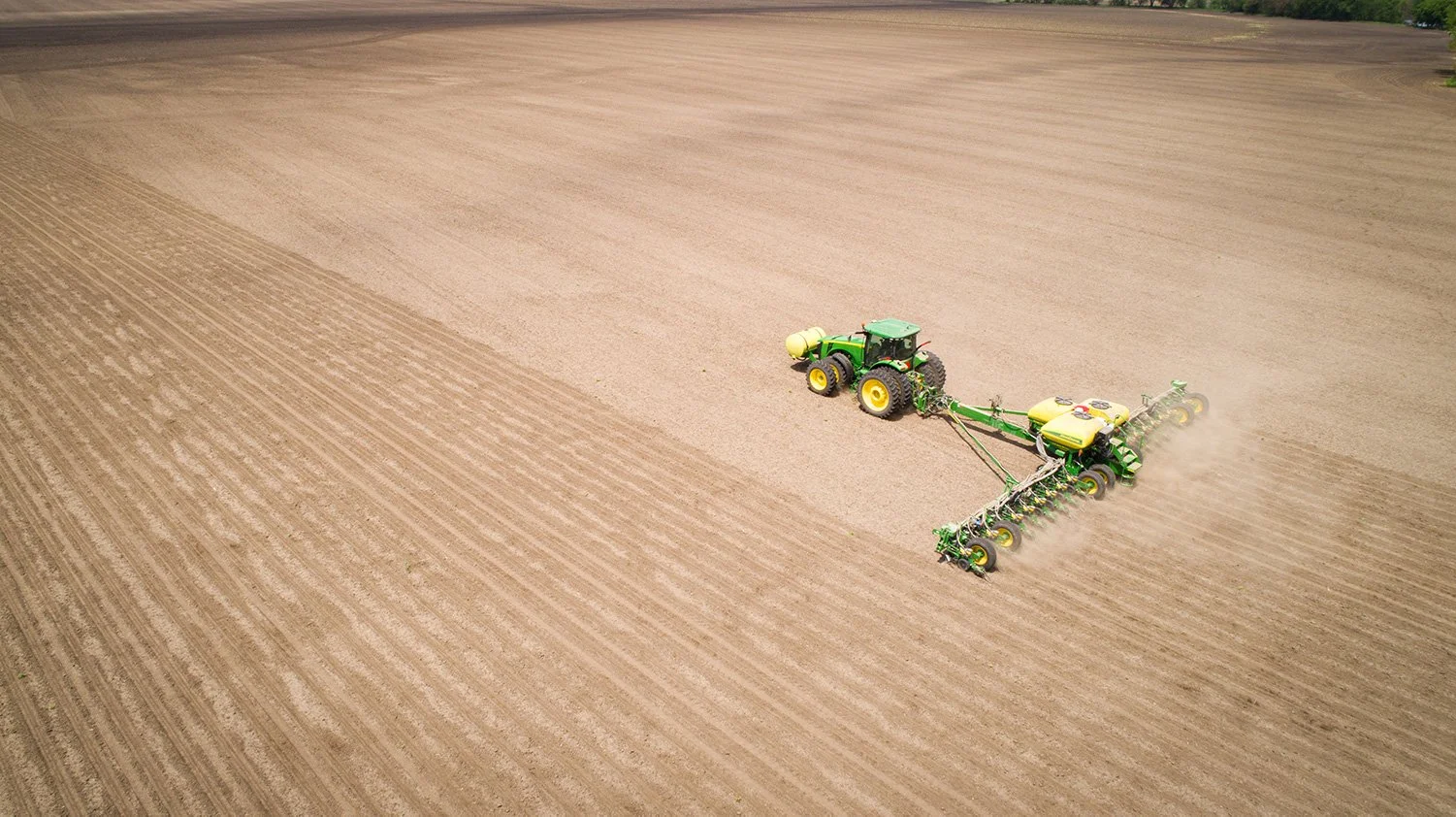
Planting earlier in the season may ensure corn passes the vulnerable silking stage by the time migratory moths travel from warmer climates. However, the benefits of this need to be balanced with other important seasonal considerations, as planting too early may leave plants susceptible to other forms of disease and damage. Talk with your agronomist to determine optimal planting dates for fields in your region.
Insecticide Application
Insecticide use on ear-feeding pests can be tricky, because once larvae enter the ears of corn, they are well-protected from insecticide application. For best timing, insecticides must be applied while larvae are exposed, shortly after hatching as they migrate to the ear. In traited corn hybrids, insecticides are rarely needed but may be considered as a backup option if pressure is extremely high.
Biological Control & IPM
While traits provide the leading control of ear-feeding pests, biological control methods can complement hybrid use and support resistance management. The use of natural enemies like parasitoid wasps and other predatory insects can prevent larvae from hatching or prevent small larvae from reaching maturity. Entomopathogenic fungi can also infect and kill vulnerable larvae, although the efficacy of these biologicals is more dependent on weather conditions.
Putting it all Together
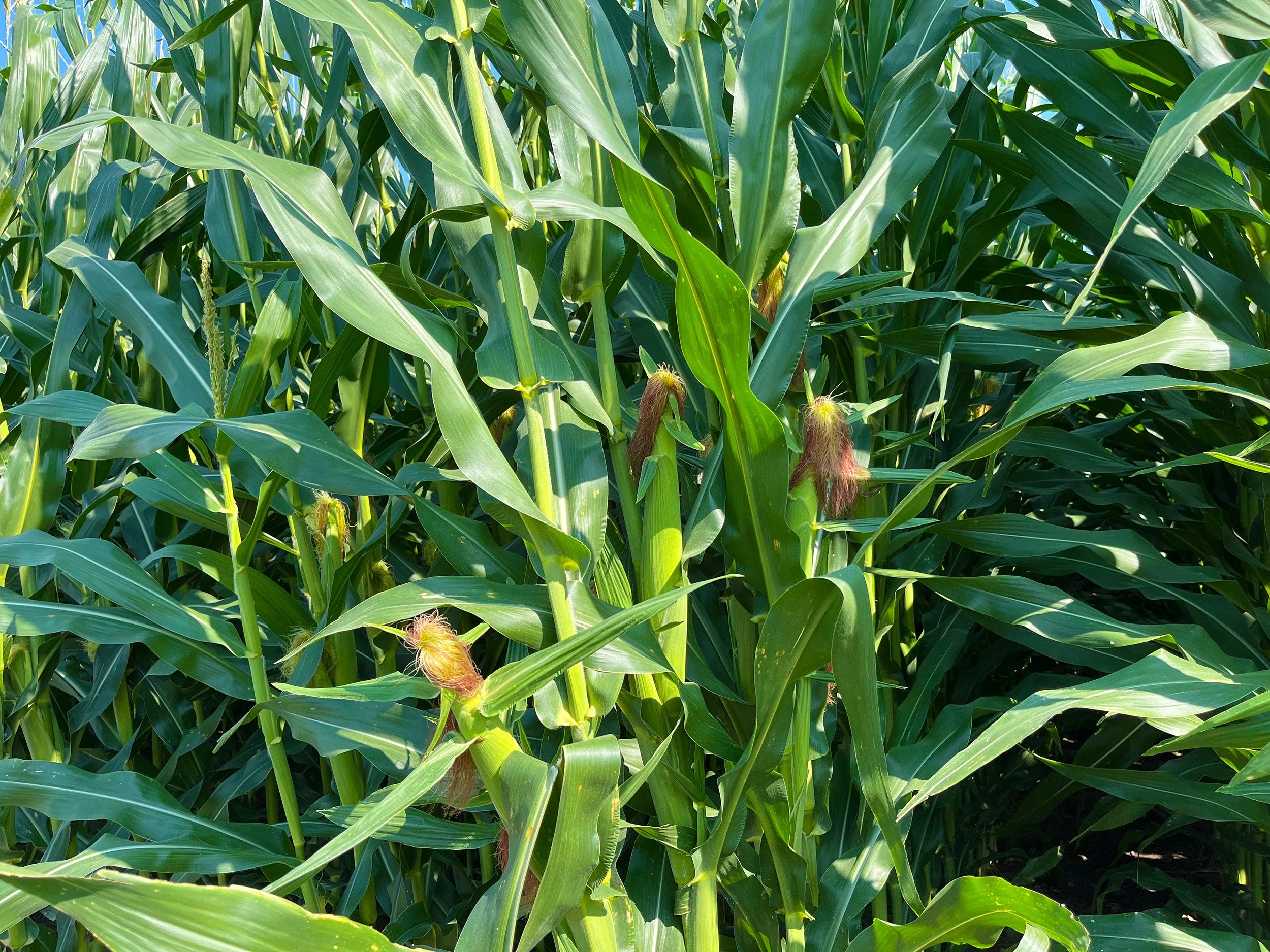
With so many management tools available, smart hybrid selection remains key to defending against yield and profit loss from damaging corn ear-feeding pests. Protecting kernels means protecting kernel weight and avoiding mold and mycotoxin contamination.
The best management practices and hybrid selections may vary by regional differences in insect pressure, climate and soil conditions. Growers should consult with their seed dealers or agronomists to build a plan to fight back against ear-feeding insects. Proactive planning is the key to getting ahead and securing strong yields.
Rob-See-Co offers several trait platform options to address ear-feeding pest challenges, including PowerCore Enlist, Viptera, SmartStax Pro and Trecepta. Visit RobSeeCo.com or reach out to your local seed dealer to learn more about these traits and how they will preserve your yields in the face of ear-feeding insect pressure.