
Wireworm Scouting and Control
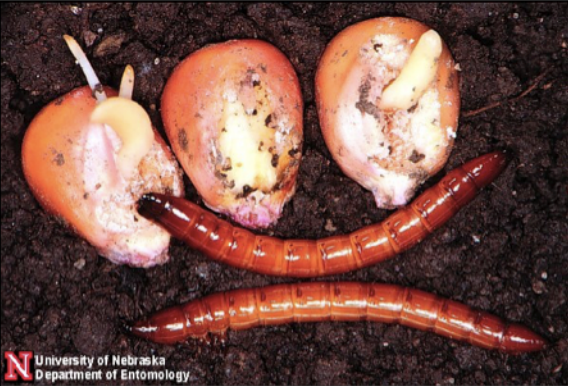
Figure 1. Mature Wireworm, able to live in the soil 2 to 6 years
There are several species of wireworm, all of them bearing a similar appearance, and all potential pests in corn. Young wireworms are a cream color and around ¼ inch long. Mature wireworms are brown, sometimes pale white or shiny yellow, and 1¼ to 1½ inches in length. The wireworm is the larval stage of the click beetle, which is aptly named because when placed on its back will flip in the air and land on its feet with a distinctive “click” sound.
Which fields are at greatest risk of wireworm infestation and injury?
Fields next to grassy areas or areas of the field near grass waterways.
Fields in rotation with alfalfa or small grains, or coming out of sod, all of which provide good habitat for click beetles to feed and lay eggs, giving way to higher likelihood of wireworm presence.
Any field with a history of wireworm pressure is at risk, as wireworms spend multiple years in the larval stage.
When is the optimal time to scout for wireworms?
To estimate population levels prior to planting, scout with a bait trap. (Should be done at least one week before planting. See bait trap instructions at the end of this tip sheet.)
Potential damage from wireworm feeding is best observed between planting and V3.
What does wireworm damage in the field look like?
Wireworms feed on the germ and endosperm of the kernel. You may find kernels completely hollowed out, leaving only the seed coat. Seedlings are impacted by wireworms tunneling into the young roots or crown of the plant. In plants with this damage, you may observe wilting or stunting compared to the plants around the affected plant.
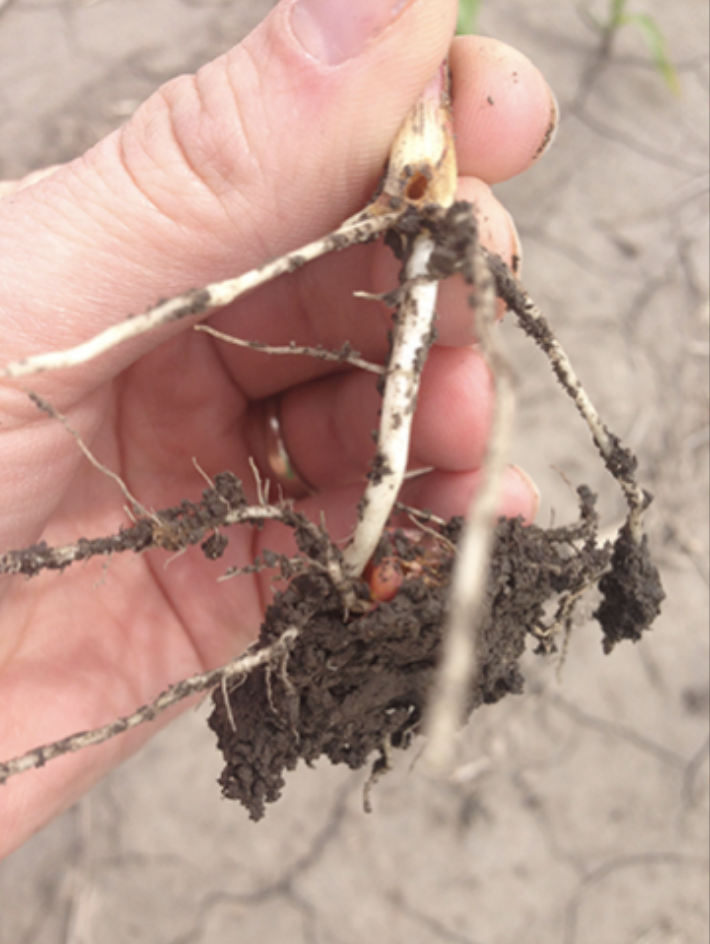
Figure 2. Young corn plant with wireworm damage at the crown. (Iowa State University
How do I assess wireworm population in a field?
A bait trap is the most thorough way to understand presence of wireworms in a field prior to planting. (See bait trap instructions at the end of this tip sheet.)
After corn is planted, evaluate the stand for gaps. Dig to find seed that did not emerge in the gap, evaluate for potential wireworm feeding. Emerged plants may appear wilted or stunted. Dig up these plants and examine the roots, crown, and lower stem for hollowing out of tissue from wireworm feeding.
I have wireworm pressure in my field, what are my options?
All Rob-See-Co and Innotech Brand corn is treated with a systemic insecticide that moves throughout the seed, roots, and young seedling. When wireworms feed on the seed or seedling and ingest this insecticide, their feeding impulse is interrupted. The larvae stop eating, providing the seedling time to outgrow further attacks.)
Late planting. Early planted corn is likely to emerge slower, giving the wireworms more opportunity to feed. Late planted corn is more likely to emerge faster. Additionally, as the soil warms to around 60 degrees, wireworms move deeper into the profile and further away from seed and seedlings.
Soil applied insecticides may be used at planting for additional control in high risk fields.
No rescue options are available.
What is the process of setting and evaluating a wireworm bait trap?
The bait trap (University of Missouri), simply consists of digging a 2-3” deep and 6-9” wide hole in your field of interest. Ten traps per field is the minimum required to understand wireworm presence.
Dig your traps at least 1 week prior to planting.
Dump a mixture of a ½ cup of untreated corn and ½ cup of wheat into the hole. (The mixture should be soaked in water for 24 hours prior to placing in the trap to encourage germination.)
Loosely cover your mix with soil, mound slightly over the top and cover first with a black trash bag to heat the soil, and second with a clear polyethylene or similar clear plastic bag to retain the heat and create a greenhouse effect.
Check your traps one week later. If more than one wireworm is found per trap, there is a high likelihood of damage to corn seeds and seedlings.
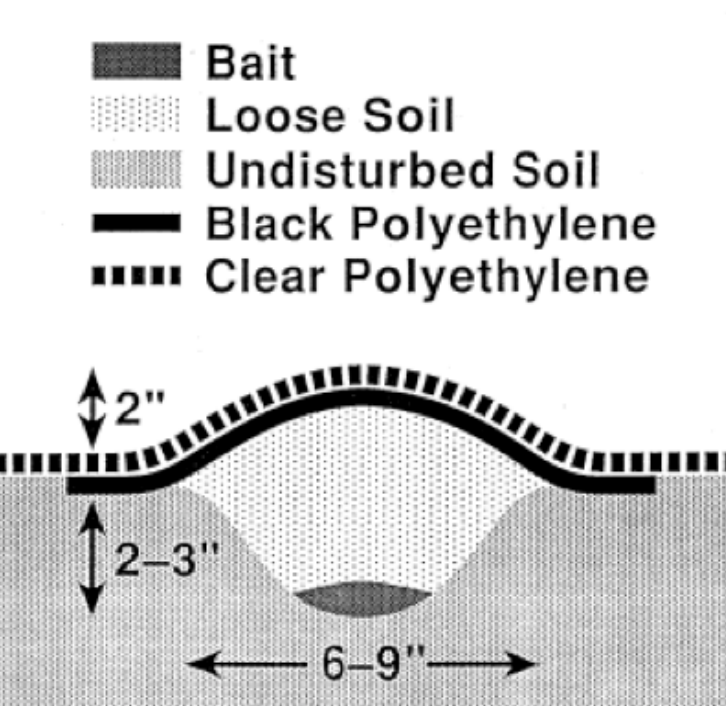
Figure 3. Illustration of University of Missouri Wireworm Bait Trap